Wholesale & Export
How to Become a Distributor of Frozen Cakes: A Step-by-Step Guide
A step-by-step guide for entrepreneurs and trading companies who want to distribute frozen cakes and desserts to cafes, hotels and shops.
To become a distributor of frozen cakes, you need three things: reliable freezer storage and delivery, a supplier who gives you clear product and storage data, and a customer base of cafes, hotels, restaurants or shops that buy desserts regularly. The practical route is to research your market, shortlist a supplier, order samples, test the range with a few customers and then formalise the relationship, for example through a dealer application.
What a frozen cake distributor actually does
A distributor buys frozen cakes and desserts in volume, stores them at freezer temperature and delivers smaller quantities to customers who do not want to import directly. Your value is availability, consistency and service: a cafe owner should be able to phone on Monday and have Thursday's dessert delivery confirmed.
Frozen products suit this model well. Sweet Heaven's sliced cakes and cheesecakes are listed with a shelf life of 12 months at -18°C, which gives a distributor room to plan stock instead of racing against a short date. Once a cake is thawed in the refrigerator, it keeps for 4 days at +4°C, so your customers need to order sensibly. Always check the product label for exact values.
Step 1: Understand your local market
Before you contact any supplier, answer these questions:
- Who buys desserts in your area: independent cafes, hotel restaurants, catering firms, bakeries, retail?
- What do they buy now, and what are they unhappy with?
- Which formats sell best: sliced cakes, cheesecakes, dessert cups, individual portions?
Speak to at least a handful of potential customers. Ask what they would order, how often, and how they prefer to receive it. Your answers will shape everything else.
Step 2: Prepare your cold chain
You do not need a huge facility to start, but you do need to be honest about what you can handle.
- Freezer storage: capacity kept at -18°C, with a temperature monitor and a backup plan for power failure.
- Transport: refrigerated or insulated vehicles suited to frozen goods, and a clear procedure for loading and unloading.
- Local rules: check with your food authority what registration or approvals you need to store and distribute frozen food.
Ask for professional advice on local regulations. Requirements differ from country to country, and we cannot list them for you.
Step 3: Choose a supplier and ask the right questions
Compare suppliers on data, not promises. Ask for portion counts, carton quantities, storage values, ingredient and allergen information, and packaging details. The essentials are simple: get everything in writing.
Step 4: Build a starter range
Resist the urge to list everything. A focused range is easier to store, explain and sell. A sensible starting mix might include:
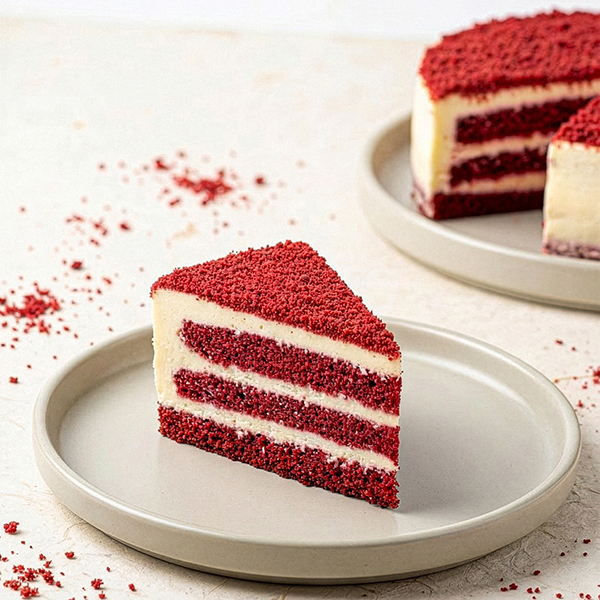
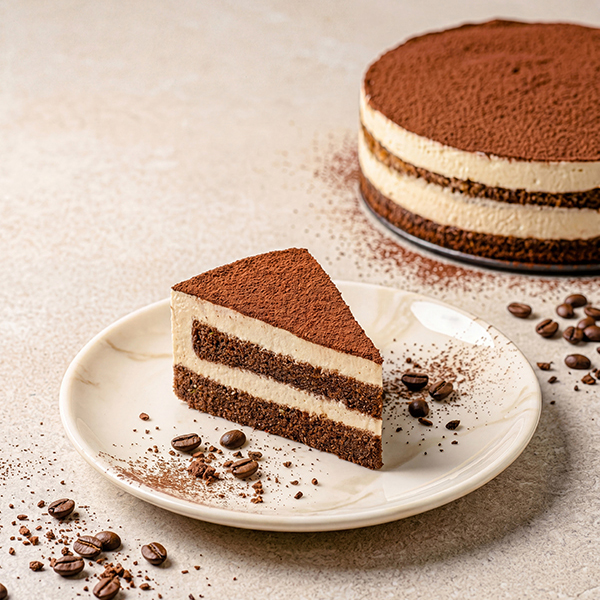
- One or two universally recognised classics, such as Tiramisu or Red Velvet
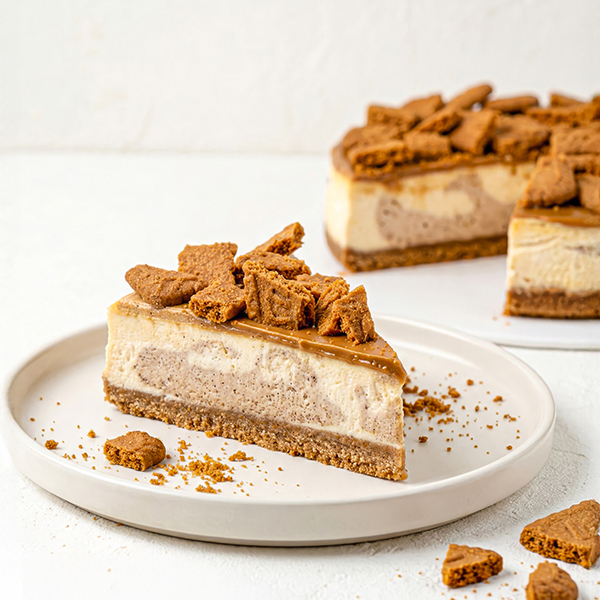
- A cheesecake, such as the Lotus Cheesecake
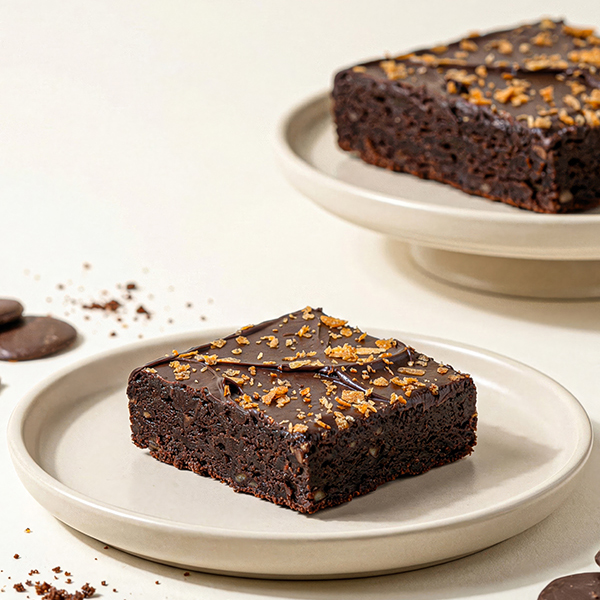
- A chocolate item, such as the Brownie
- A dessert cup for cafes that want individual servings, such as the Strawberry Bar Cup
You can browse the full sliced cake, cheesecake and dessert cup categories to see portion counts and box quantities. Sliced cakes, cheesecakes and cups in the range are typically packed in cartons of 4 or 6 cakes, which helps you plan pallet and freezer space.
Step 5: Order samples and test with real customers
Samples are your inexpensive insurance. Thaw them the way your customers will, in the refrigerator for about 4 hours, then evaluate slicing, appearance and taste. Give portions to a few friendly cafe owners and record their honest feedback. If a product does not perform, you have lost very little.
Step 6: Set your commercial model
Decide how you will price, deliver and invoice. Work out your cost per portion from the listed cake weight and portion count, add your storage and delivery costs, and check that the resulting shelf price is acceptable to your customers. We do not publish prices in this guide, so ask the supplier for a written offer.
Step 7: Apply and formalise
Once you have a market, a cold chain and a shortlist, contact the supplier about a formal relationship. At Sweet Heaven, this starts with the dealer application, where you tell us about your company, your region and the products you are interested in. We then discuss samples, ordering and next steps with you.
Common mistakes to avoid
- Ordering too many varieties before you know what sells
- Underestimating freezer space
- Promising customers a shelf life you have not verified on the label
- Skipping written agreements
Take the next step
If you are serious about distributing frozen cakes and desserts, send your details through our dealer application. Tell us about your market and the products you are considering, and we will get back to you to discuss the range and how we can work together.
Frequently asked questions
Do I need special equipment to distribute frozen cakes?
Yes. At minimum you need freezer storage that holds -18°C, a temperature monitor and transport suited to frozen goods. Check local food authority rules for any registration required.
How long can I store Sweet Heaven frozen cakes?
The sliced cakes and cheesecakes are listed with 12 months at -18°C. After thawing, they keep for 4 days at +4°C. Check the product label for exact values.
Which products are best for a starter range?
Recognisable classics usually sell first: tiramisu, red velvet, a cheesecake and a chocolate item. Add dessert cups if your customers want individual servings.
How do I apply to become a Sweet Heaven dealer?
Submit the dealer application on our website with your company details, region and product interests. We will contact you to discuss samples and next steps.
Can I resell thawed cakes?
Handle thawed cakes carefully: keep them at +4°C and observe the 4-day limit on the label. Avoid re-freezing thawed products.